The Entry Fee Is Not the Whole Bill: Who Gets Left Out of the Big Charity Ride
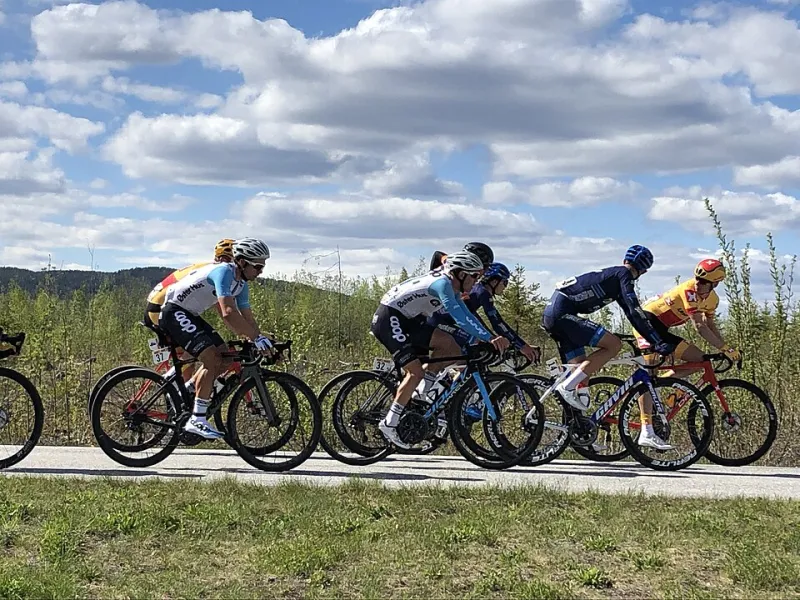
Photo: Ssu, CC BY-SA 4.0, via Wikimedia Commons
There is a moment, usually in the event village, when a charity ride looks beautifully simple. People are smiling, bikes are gleaming, and the entry fee has already been paid. But the entry fee is only the first line of a longer bill.
For some riders, the cost of taking part includes a train ticket, a night in a Travelodge, a day of unpaid leave, a lift from a partner, a borrowed bike rack, and a kit list that quietly turned into a spending spree. If we want charity cycling to be genuinely open, we need to talk about that whole bill — not just the number on the sign-up page.
The Start Line Is Often in a Field With No Bus Stop
Remote start lines are part of the romance. A showground, a village hall, a country park, a farm with an enormous car park. Lovely for photos. Less lovely if you do not drive.
A 7am start is fine when you have a car and a bike rack. It is a different proposition when the first Sunday train gets you within twelve miles of the venue, the rail replacement bus does not take bikes, and the event car park is three miles from the actual start. Lift-shares help, but they tend to favour people who already know people.
Organisers do not need to solve public transport overnight. But they can publish a proper travel guide, ask local clubs to host bike-friendly meet-ups, arrange a shuttle from the nearest station, offer a later start window, and make the lift-share board visible before entries open. Small logistics can decide whether a rider enters at all.
Kit Creep and the £400 Entry-Level Myth
Charity rides are not races, but the photos can make them look like auditions for a cycling magazine. Carbon bikes, clip-in shoes, GPS computers, matching kit, the unspoken belief that a proper rider owns at least three jackets. It is easy to absorb the message that turning up on a hybrid in ordinary shorts is somehow not the done thing.
It is nonsense. A well-serviced bike, a helmet, a couple of bottles and a waterproof are enough for many charity routes. Yes, padded shorts help. Yes, a basic repair kit is sensible. But the idea that you need to spend hundreds before you can ride for a cause is a barrier dressed up as standards.
Event organisers can help by publishing a genuinely plain kit list, stating clearly that any safe bike is welcome, and avoiding language that makes a £2,000 road bike sound like the default. Local clubs could lend bikes, run kit swaps, or host a pre-ride maintenance session. Riders can stop treating borrowed panniers as a confession.
The Leave You Can't Take
Not everyone has a generous annual leave pot. Shift workers, zero-hours workers, carers, small business owners and parents often spend their time off on other people. A Sunday ride can still cost a day's pay or a swapped shift. A weekend event can swallow a whole family's logistics.
This is not an argument against big rides. It is an argument for more ways in. Shorter routes, later starts, volunteer roles, remote fundraising and ride-where-you-are options all lower the time cost. Charity rides should not only be available to people whose calendars are as flexible as their hamstrings.
Childcare, Care and the Invisible Logistics
An event may be one day. The preparation around it can take a weekend. Early starts clash with school drop-offs. Long routes clash with caring responsibilities. Even the spectator plan matters: if a partner or carer has to stand in a wet field for six hours with no clear information, the ride becomes harder for everyone.
Family-friendly routes, clear timings, indoor waiting areas, accessible toilets, and a simple answer to the question 'what is there for people who are not riding?' are not frills. They are access measures.
The Cost of Being the Only One
Then there is the social cost. Walking into a start pen in borrowed kit when everyone else seems to know the drill can be its own barrier. First-timers, older riders, disabled riders, people on lower incomes and people who have never been part of a club can all feel the same message: this is not really for you.
Representation is not about lowering standards. It is about widening the doorway. A charity ride should feel like a place where a person can turn up as they are, with the bike they have, and still be part of the purpose.
What Organisers Can Actually Change
- Publish a full cost estimate: entry, travel, parking, food, kit and any compulsory extras.
- Offer a station shuttle or a visible lift-share board, not just a car park postcode.
- Create a small bursary or low-cost entry tier, with a clear no-one-turned-away-for-lack-of-funds policy.
- Provide plain kit guidance and a loan or kit-swap scheme with local clubs.
- Offer multiple distances and start windows, including options for people with caring responsibilities.
- Ask people who did not ride why not. Then act on the answers.
What Riders Can Do
Offer a lift. Lend a bike rack. Pass on a spare waterproof. Mentor a first-timer. Stop making jokes about someone's bike. Share the real cost of your own ride when you fundraise, so the conversation includes the hidden bits. If you are in a club, ask who is missing from the Sunday run and why.
A More Open Start Line
None of this is about making charity rides smaller or less ambitious. It is about making the start line easier to reach. If we want more people pedalling for a cure, we need to see the whole bill — and then work out how to share it.
The entry fee is not the whole story. The purpose is. Let us make sure the route to it is open to more than the people who can already afford the journey.